Document - Statement of Environmental Effects (SEE) - The "Voice" of My DA
What is a Statement of Environmental Effects (SEE) and Why is it the "Voice" of My DA?
Architectural drawings show Council what you want to build. A Statement of Environmental Effects (SEE) explains why it should be approved.
In New South Wales, a Development Application (DA) cannot be lodged without this document. Even the most beautifully prepared drawings will not be assessed on their own. The SEE is the narrative backbone of the application, translating lines on paper into a planning argument that demonstrates compliance with Council controls—and, where necessary, justifies thoughtful departures from them.
A well-written SEE is often the difference between a smooth approval and months of back-and-forth with Council.
What is a Statement of Environmental Effects (SEE)?
A Statement of Environmental Effects is a formal written report that assesses the likely impacts of a proposed development on its surrounding environment. It is a statutory requirement under the Environmental Planning and Assessment Regulation 2000.
Despite its name, the SEE is not just about trees, stormwater, or pollution. In a residential context, “environment” largely means the neighbourhood. The document evaluates how the proposal fits within the existing streetscape, how it affects adjoining properties, and how it responds to local planning controls such as height, setbacks, and floor space.
In simple terms, it is the document that tells Council officers how your home will behave once it exists—not just how it looks on drawings.
Why do you need it for a DA?
A Statement of Environmental Effects is generally not required for a Complying Development Certificate (CDC), because a CDC is a strict, tick-box process. If the proposal meets every numerical standard, approval is largely automatic.
A DA, however, is discretionary. Council must exercise judgment, and the SEE is the tool that guides that judgment. It performs three critical roles.
First, it demonstrates compliance by methodically walking the assessor through the Local Environmental Plan (LEP) and Development Control Plan (DCP), addressing controls such as building height, floor space ratio, setbacks, and landscaped area.
Second, it justifies variations. If a design does not strictly comply with a control—such as eaves encroaching slightly into a setback or a wall exceeding a height limit—the SEE is where the legal and planning argument is made. Rather than hiding the issue, the report explains why the variation is reasonable and why it does not result in adverse impacts.
Third, it addresses environmental impacts in a broader sense, including privacy, overshadowing, traffic, parking, and construction impacts. This reassures Council that the proposal has been carefully considered from both a design and community perspective.
What information is included?
A robust Statement of Environmental Effects tells the complete story of the site and the proposal. It typically begins with an analysis of the land itself, describing its size, slope, orientation, and surrounding context. This sets the foundation for understanding why certain design decisions were made.
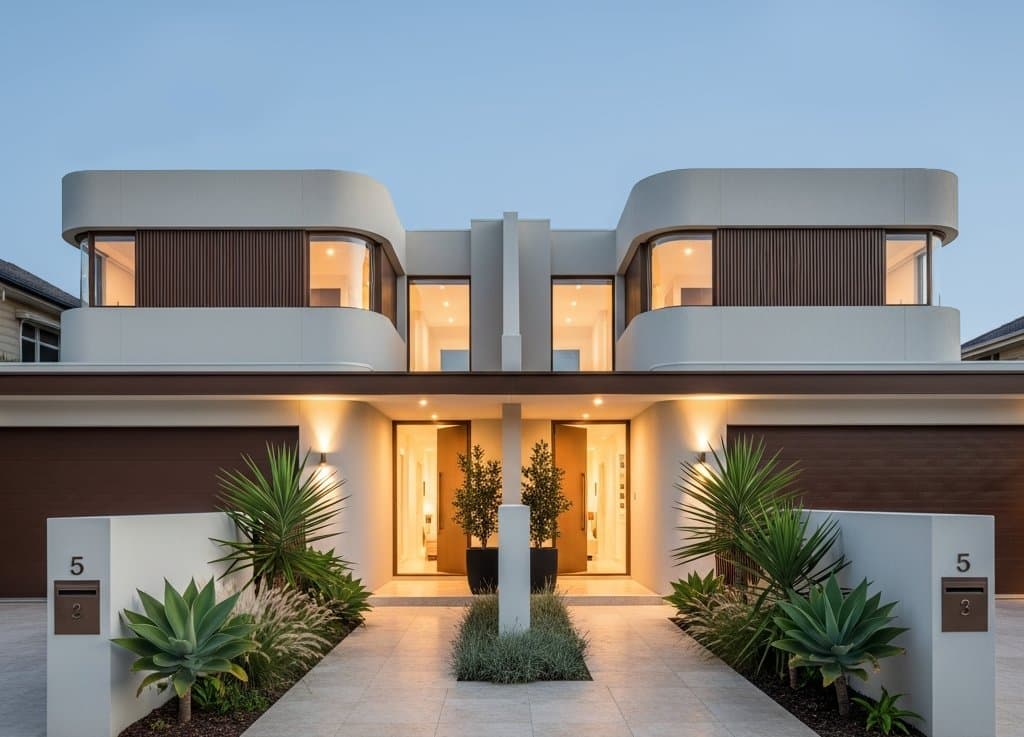
It then provides a clear description of the proposal, outlining what is being built, the materials and finishes, and the intended use of the development. For non-residential projects, this may also include hours of operation or servicing arrangements.
Detailed compliance tables form a key part of the document, comparing the proposal directly against Council’s numerical controls. These tables allow the assessor to quickly identify where the design complies and where it varies.
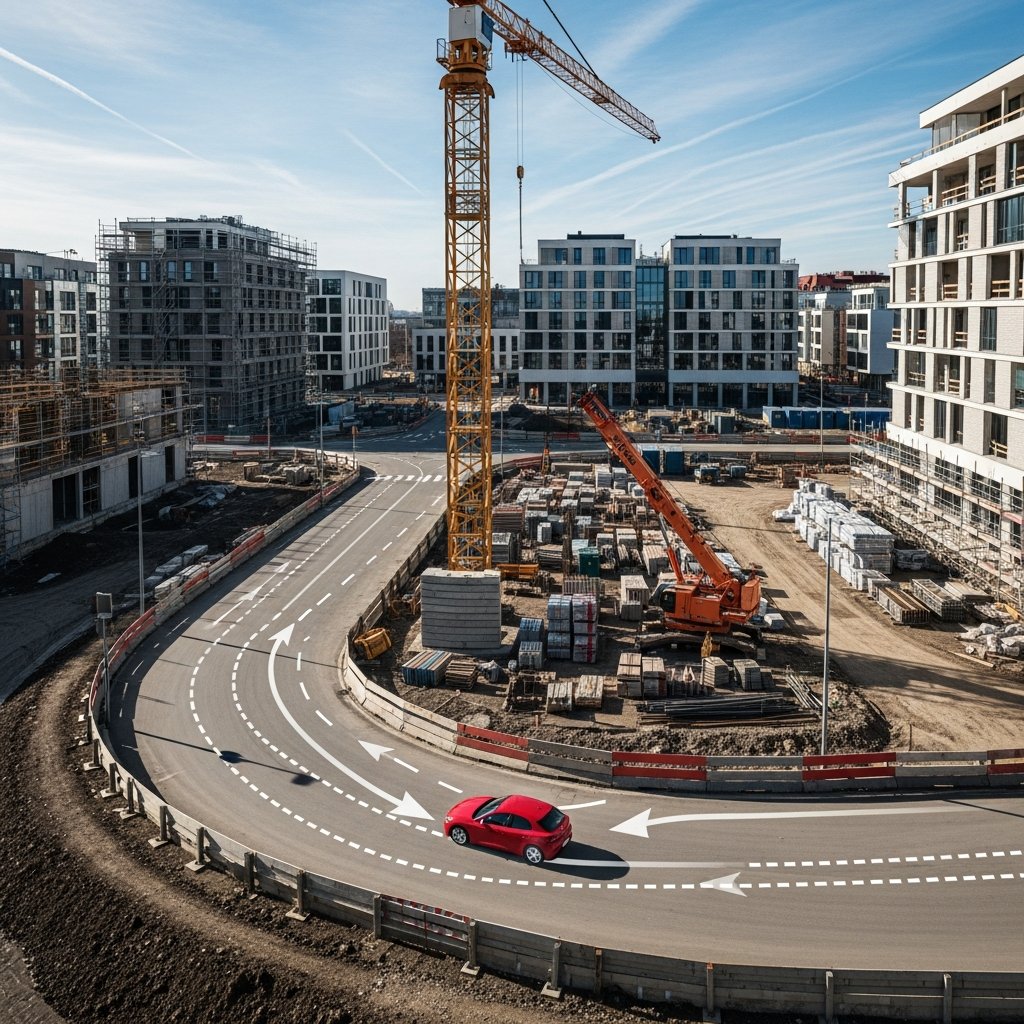
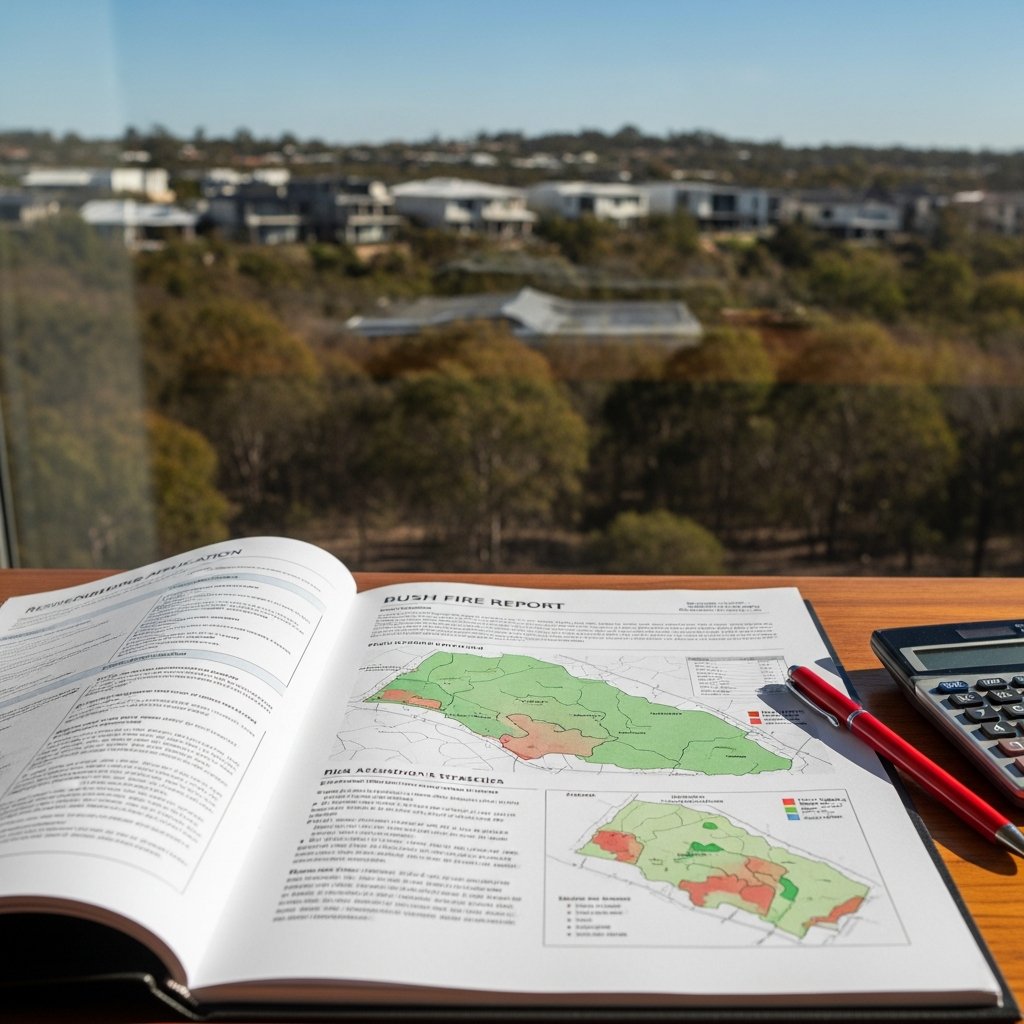
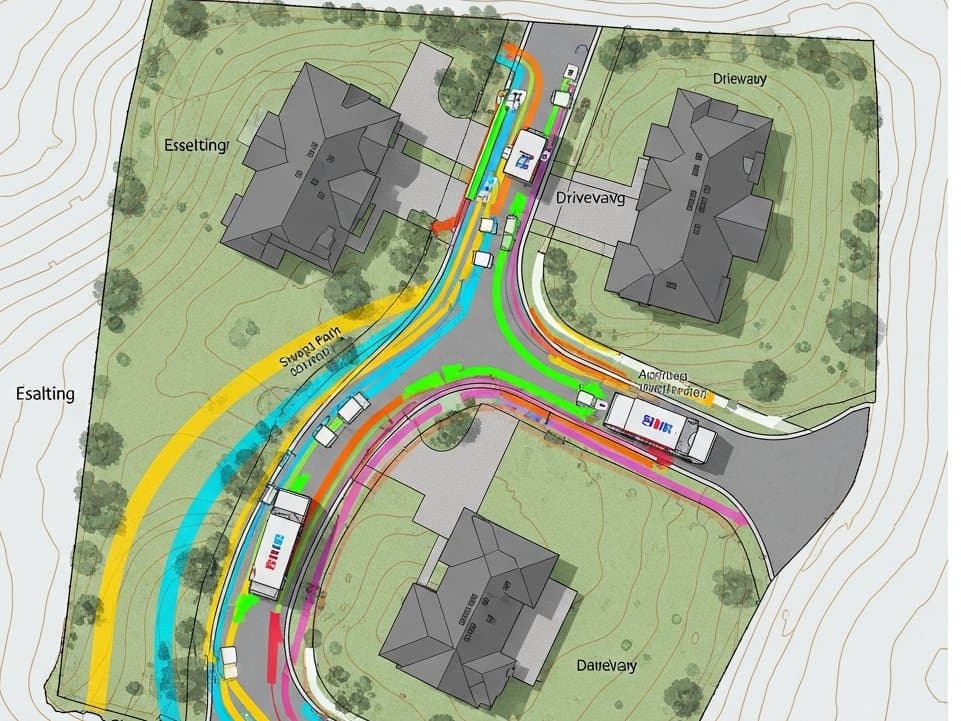
The SEE also includes a thorough impact assessment, addressing matters such as visual privacy, solar access and overshadowing, traffic and parking provision, and construction-phase impacts. Finally, it outlines measures for sediment and erosion control, demonstrating how the site will be managed responsibly during building works.
When is it required?
The Statement of Environmental Effects is submitted at the same time as the Development Application. In practice, it is usually one of the last documents to be finalised.
This timing is deliberate. The SEE must accurately reference the architectural drawings, engineering details, landscape plans, and other consultant reports. Preparing it too early often leads to inconsistencies, which can trigger Council Requests for Information (RFIs) and delay the approval.
Common Pitfalls and Professional Advice
A weak or poorly considered SEE is one of the most common causes of delays in the DA process. Council RFIs are frequently issued not because the design is unacceptable, but because the planning argument has not been clearly articulated.
One of the biggest mistakes is attempting to gloss over non-compliances. Some designers hope that minor breaches will go unnoticed. In reality, Council assessors always find them, and the omission can undermine trust in the entire application.
Our approach at OAK Architecture and Design is based on transparency. If a wall exceeds the permitted height or a setback is reduced, it is clearly identified and supported by a strong planning-based justification. For example, additional height may be the result of a steeply sloping site and may have no impact on views or privacy. Addressing this openly strengthens the credibility of the application.
How We Help with Your Statement of Environmental Effects
While architects can prepare basic Statements of Environmental Effects, we strongly recommend engaging a Town Planner for new builds or projects involving variations. Planning professionals bring a deep understanding of legislation, precedent developments, and relevant case law.
We manage this process for our clients by coordinating with trusted Town Planners and briefing them on the design intent. While we focus on achieving a high-quality architectural outcome, the Town Planner focuses on building a robust planning argument. This collaboration ensures your project is defended from both a design and legal perspective, maximising the likelihood of approval without unnecessary design compromises.
Let us tell your project's story.
A strong design needs a strong argument to succeed in the planning system. If you are looking for a team that can manage both the drawings and the defence of your proposal, OAK Architecture and Design is here to help.