Utility - Part 7 - Home Gym
Designing the Home Gym: Wellness at Home
By OAK Architecture and Design
In the last few years, the "Home Gym" has shifted from a dusty treadmill in the corner of the garage to a dedicated wellness zone. For many of our clients, a functional training space is now as essential as the home office.
However, a gym is a technical room. It generates noise, vibration, and moisture (sweat). Putting a squat rack in a spare bedroom without preparation is a recipe for damaged floors and angry neighbours. Here is how to design a high-performance training space.
1. Location Strategy: Garage vs. Internal Room
The location dictates the design requirements.
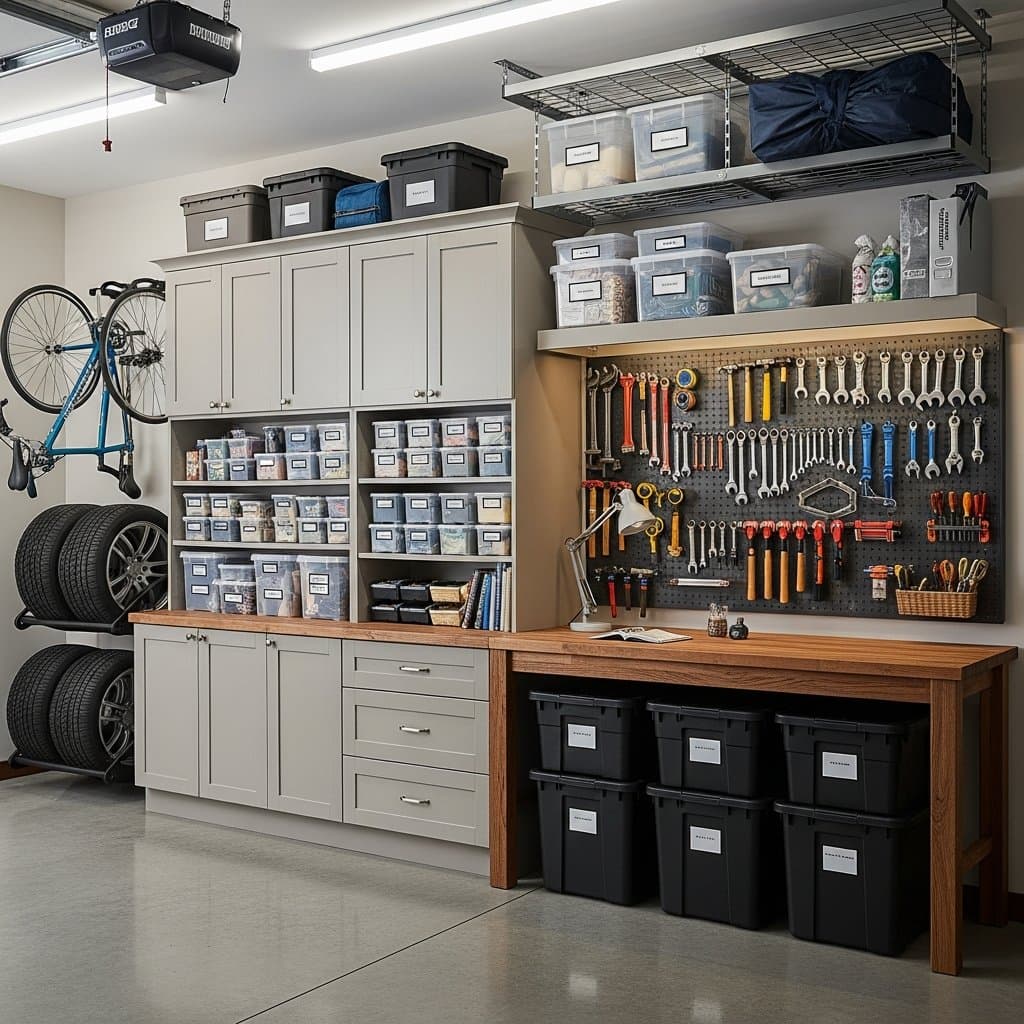
The Garage Gym
The Pros: Concrete floors can handle heavy deadlifts. High ceilings allow for overhead presses and skipping ropes. You can open the roller door for massive airflow.
The Cons: It is hot in summer and freezing in winter.
The Fix: You must insulate the garage door and ceiling. We also recommend installing a dedicated split-system air conditioner. A standard fan is rarely enough in a corrugated iron box in January.
The Ground Floor Spare Room
The Structure: In most modern Australian homes, the ground floor is a concrete slab. This is perfect for heavy lifting (deadlifts/racks) as there is no timber subfloor to bounce or creak.
The Climate: Unlike the garage, it is insulated and connected to the home's main air conditioning.
The Challenge: Acoustics. Because this room is often off the hallway or near the living room, clanging weights will annoy the household.
The Fix: Install a Solid Core Door (not a hollow standard door) and acoustic seals to block noise. If it is visible from the hallway, use joinery to hide the weights so it doesn't look like a locker room.
The Spare Room (Upstairs)
The Risk: Structural loading and vibration. A rack of dumbbells and a treadmill can weigh over 300kg.
The Impact Noise: Dropping a weight on an upstairs floor sends a shockwave through the house frame. If you are building new, we specify acoustic matting under the subfloor. If retrofitting, you need thick rubber flooring to dampen the sound.
2. Flooring: The Foundation
Never put gym equipment directly onto tiles or floorboards. You will crack the tiles or dent the timber.
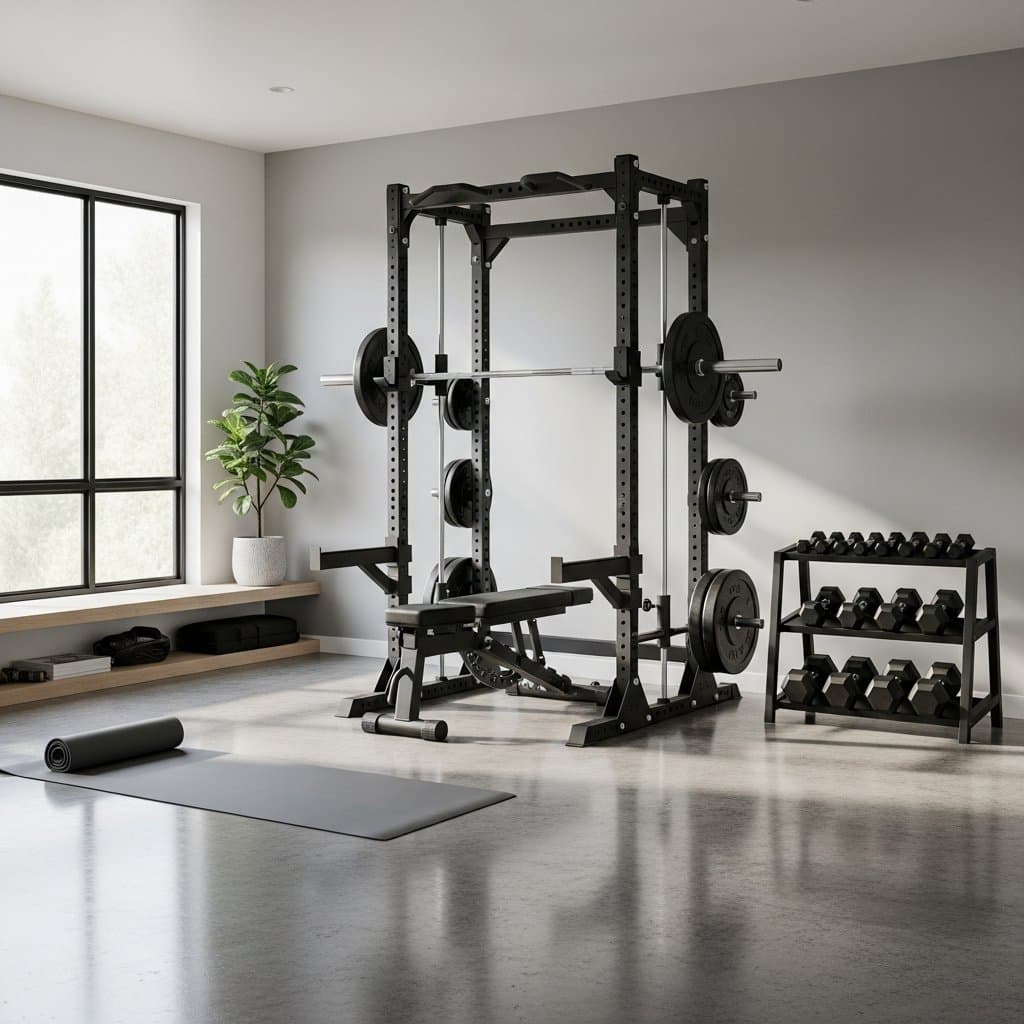
Rubber Gym Tiles: The gold standard. We recommend 15mm–20mm thick high-density rubber tiles. They protect the slab, reduce noise, and provide grip.
The "Platform" Rule: If you lift heavy weights (deadlifts/Olympic lifting), you need a dedicated lifting platform (plywood + rubber) to disperse the load and protect the foundation.
Carpet: Avoid it. It traps sweat, smells, and is unstable for heavy lifting.
3. Ventilation and Air Quality
A vigorous workout increases humidity in a small room rapidly.
Airflow: You need cross-ventilation. If the room has only one window, install a high-powered exhaust fan or a ceiling fan positioned directly over the cardio zone.
Mirrors: Mirrors are not just vanity; they are a tool for form correction.
Placement: Install glued-to-wall mirrors starting 300mm off the floor (to avoid kicking them with weights) and extending to 2100mm high.
Safety: Ensure they are safety-backed (vinyl backed) so if a dumbbell hits them, they crack rather than shatter into dangerous shards.
4. Lighting and Tech
The "Downlight Dazzle": Avoid placing downlights directly over the bench press area. Staring into an LED light while lifting heavy weight is dangerous. Use dimmable LED strips or wall-wash lighting.
TV/Data: Pre-wire a TV point at eye level (approx. 1500mm–1600mm) for following online classes or entertainment during cardio.
The "Glass Wall" Trend
When a ground-floor gym faces a hallway or an alfresco area, a growing design trend is to replace solid walls with framed glass doors. This approach makes a compact 3 × 3 metre room feel far more spacious, creates visual openness that encourages tidiness, and allows natural light to flow into a space that might otherwise feel dark and enclosed.
Summary
A home gym is an investment in your health, but it requires the same technical planning as a bathroom or kitchen. By addressing the floor impact and airflow early, you create a space where you actually want to train.