The Art of Circulation - Part 3 - Hallways & Flow
The Art of Circulation - Part 3 - Hallways & Flow
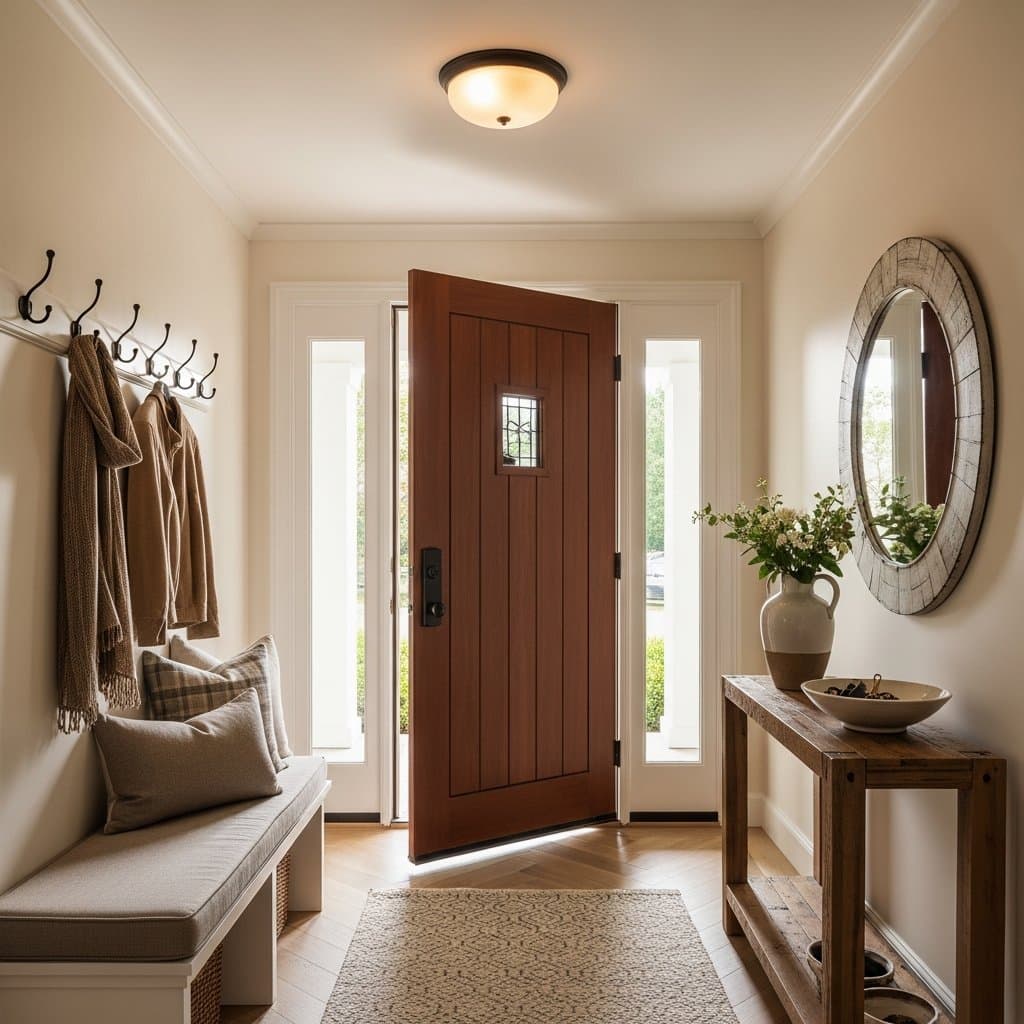
In a poorly designed house, a hallway is just a tunnel that gets you from Room A to Room B. It consumes valuable floor area, blocks light, and serves no function other than transit.
In architectural terms, we call this "circulation space," and our goal is always to minimize it—or at least, make it work for its living. If you must have a hallway, it needs to be a destination in itself. Here is how to turn a corridor into a feature.
1. The "Gallery" Concept (Width & Light)
Standard project homes often build hallways at the bare minimum width of 900mm or 1000mm. This feels tight, utilitarian, and claustrophobic.
The Luxury Width: Widening a main hallway to 1200mm – 1400mm changes the psychology of the house. It allows two people to walk side-by-side comfortably and transforms the space into a "Gallery."
The Art Wall: A wide hallway is the perfect place for art. By installing specific directional lighting (wall washers or gimbal downlights) rather than generic centre lights, you turn the journey to the bedroom into a walk through a private gallery.
2. The "Storage Engine"
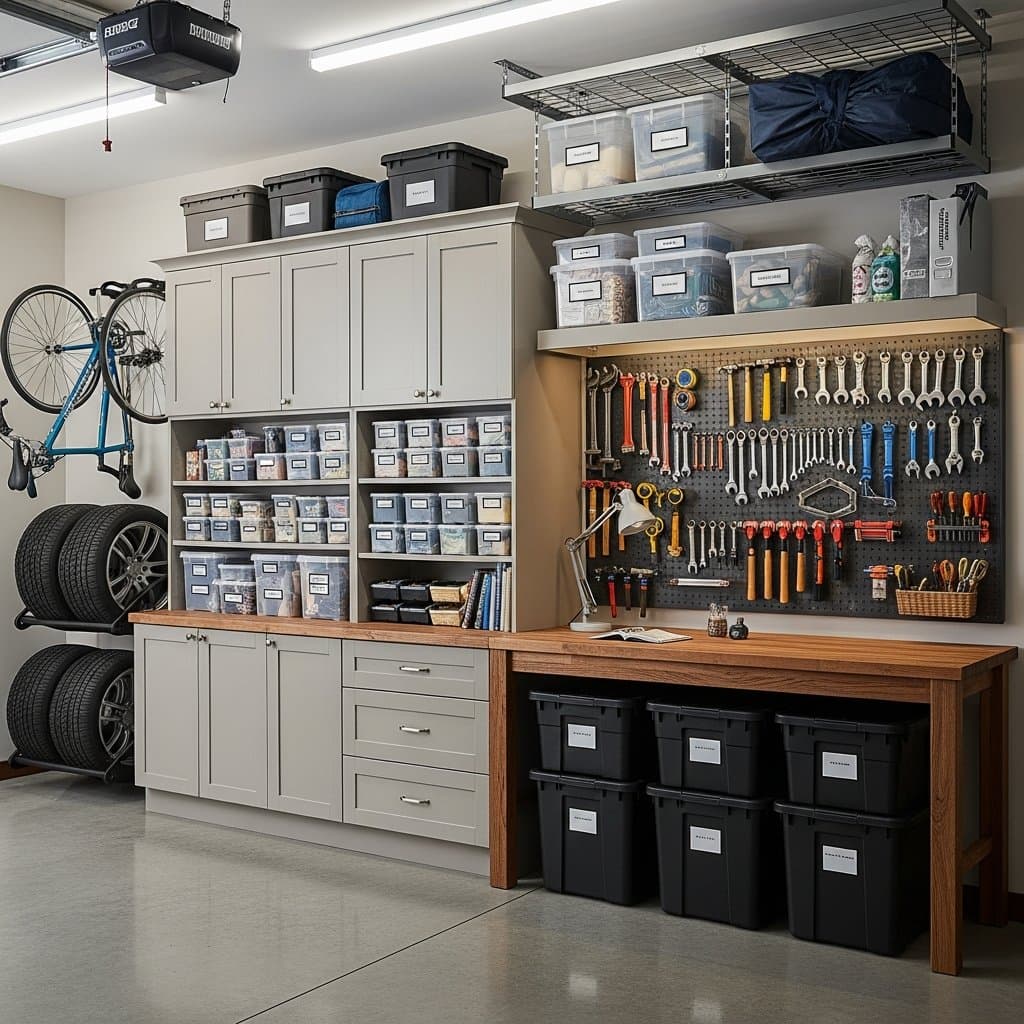
If you can’t make the hallway wide, make it deep. A hallway is often the best place to hide the "boring" storage of a house, freeing up space in the bedrooms and living areas.
The Linen Wall: Instead of a small linen cupboard, consider lining one side of a hallway with floor-to-ceiling joinery. A 600mm deep cupboard can swallow the entire family’s linen, suitcases, and vacuum cleaners.
The "Invisible" Doors: To stop the hallway looking like a locker room, use "shadow line" details and push-to-open doors. Painting the joinery the same colour as the walls makes the storage disappear visually.
3. Minimizing the Corridor (Open Planning)
The most efficient hallway is the one that doesn't exist.
Borrowing Space: In the "Great Room" concept (discussed in our Social Spaces series), we try to eliminate hallways entirely by having rooms open directly off the main living zone.
The "Pod" Layout: Instead of a long central spine, we often design "pods" where a small lobby (approx. 2m x 2m) serves three bedrooms and a bathroom. This reduces the travel distance and eliminates the "long dark tunnel" effect found in older Australian homes.
Summary
A hallway should never be an afterthought. By widening it to create a gallery or lining it with joinery to create a storage engine, you ensure that every square metre of your floor plan is adding value to your lifestyle.