Utility - Part 5 - Alfresco Zone
The Outdoor Kitchen: Creating the Ultimate Alfresco Zone
By OAK Architecture and Design
In Australia, the BBQ is not just an appliance; it is a ritual. However, the days of a lonely 4-burner standing in the corner of the patio are fading. The modern trend is the "Outdoor Great Room"—a fully integrated kitchen that allows the host to cook, prep, and socialize without ever running back inside for the tongs.
Designing an outdoor kitchen is about more than just bricking in a BBQ. It is about creating a seamless extension of your living space. Here are the key design pillars to consider.
1. Location: The Connection Strategy
The most successful outdoor kitchens are rarely isolated at the bottom of the garden. They work best when they hug the house.
Utility Connection: Building close to the main house allows you to easily tap into existing gas, electricity, and water lines, significantly reducing installation costs.
The "Support" Kitchen: By positioning the alfresco zone near your indoor kitchen, you create a convenient workflow. The indoor kitchen handles the heavy prep and dishwashing, while the outdoor zone handles the cooking and serving. This saves you from having to duplicate every single appliance outside.
2. The Layout: Centered on the Heat
Indoors, the kitchen revolves around the sink. Outdoors, the kitchen revolves around the grill.
The Focal Point: The design should anchor on the BBQ. Whether it is a gas grill or a charcoal smoker, this is the "hearth" where guests naturally congregate.
The Outdoor Triangle: Just like indoors, you need a workflow. A functional layout typically includes the BBQ, a small prep sink (for washing hands and marinating), and a bar fridge. This "Outdoor Trinity" ensures you aren't constantly running inside for a cold drink or to rinse your fingers.
3. Shelter and Seasonality
An outdoor kitchen in Australia must survive the elements—blistering sun in December and driving rain in July.
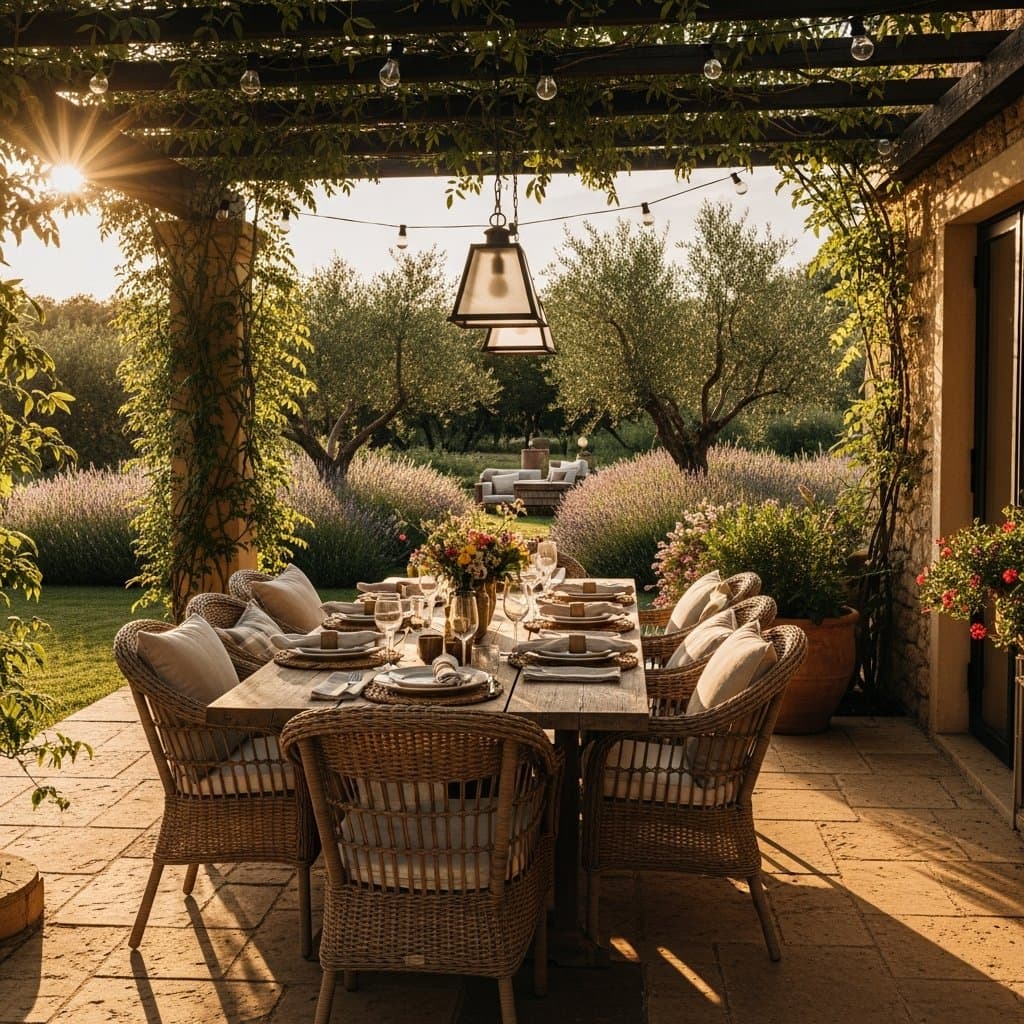
Overhead Protection: A roof or pergola is not optional; it is essential. It protects the chef from heatstroke and keeps your expensive stainless steel appliances from weathering prematurely.
Material Selection: Indoor cabinetry (MDF) will swell and rot outside. Your joinery must be constructed from marine-grade plywood, compact laminate, or masonry to withstand humidity and temperature fluctuations.
4. Beyond the BBQ: Lifestyle Features
Once the basics are sorted, the "Outdoor Great Room" can be expanded to fit your lifestyle.
The Pizza Oven: A wood-fired oven creates a secondary cooking zone that encourages slow, social dining.
Dining Integration: The cooking zone should flow directly into the dining or lounge area. The goal is to ensure the cook is part of the conversation, not separated by a wall or a sliding door.
Summary
The perfect outdoor kitchen isn't measured in square metres, but in how well it brings people together. By keeping it connected to the house, protecting it from the weather, and centering the design around the BBQ, you create a space that is used year-round, not just on Christmas Day.
Planning an alfresco transformation? Contact OAK Architecture and Design to integrate the outdoors with your lifestyle.