Kitchen - Part 4 - Islands and Eating Bars
The Social Kitchen: Islands and Eating Bars
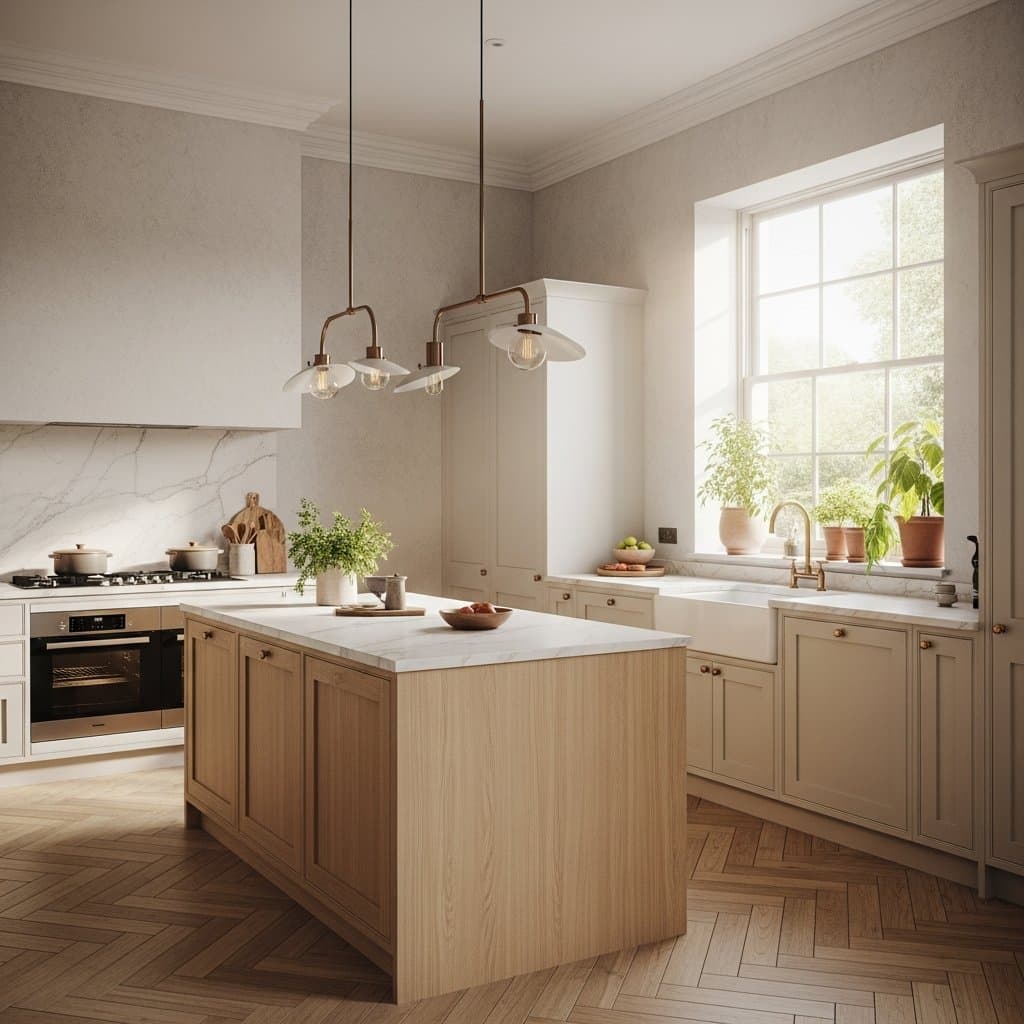
In modern Australian homes, the kitchen island has replaced the formal dining table as the center of daily life. It is where breakfast is rushed, homework is done, and guests gather with a glass of wine while you cook.
However, designing an island for social interaction requires more than just extending the benchtop. To prevent cramped legs and awkward conversations, we must respect specific dimensions for seating and interaction.
The Interaction Zone
A common design mistake is creating a "row of diners"—a long, straight line of stools where guests sit shoulder-to-shoulder, facing the cook like an audience. This stifles conversation.
To foster genuine connection, we aim to curve the seating area or wrap it around a corner (L-shape seating). This allows guests to face each other as well as the cook, turning the island into a social hub rather than just a feeding station .
Island Dimensions: The "Elbow Room" Rule
Comfort at an island is dictated by width. If you cram too many stools into a small space, no one is comfortable.
The Golden Rule: Each seated person requires a width of at least 600mm. For a more luxurious, relaxed setting, we recommend 750mm to 760mm per person. This ensures elbows don't clash while eating .
Seating Heights: Bar vs. Counter
There are three distinct heights for eating surfaces, and choosing the right one changes the feel of the kitchen .
Table Height (760mm): This is standard dining table height. It allows you to use regular chairs and is the most comfortable for long meals or for children and elderly guests. It requires the benchtop to drop down from the main work surface.
Counter Height (900mm): This is the most common modern choice. The eating surface is a seamless extension of the kitchen bench. It requires stools with a seat height of approx. 600mm–650mm. This setup is perfect for casual interaction—guests are eye-to-eye with the standing cook.
Bar Height (1050mm–1100mm): This involves a raised "servery" block on top of the island. It hides the mess of the sink/prep area from the living room view. It requires taller stools (seat height approx. 750mm) and creates a more casual, pub-like atmosphere.
Legroom: The Hidden Essential
Nothing ruins the comfort of an island faster than a lack of knee space. The required overhang depends on the height of the counter .
For Standard Counter Height (900mm): You need a clear knee space (overhang) of 380mm.
For Bar Height (1060mm): Because you sit more upright, the overhang can be reduced to 300mm.
For Table Height (760mm): You need the most depth—at least 450mm to slide your legs comfortably under the table.
The "Safety Buffer"
If your island contains a cooktop, safety is paramount. You cannot have guests sitting directly behind a hot frying pan.
If the seating is at the same height as the cooktop, you need a minimum safety clearance of 230mm behind the cooktop, but 300mm–450mm is much safer to prevent oil splatter from reaching your guests. Ideally, place settings should be kept completely out of this "splash zone."
Summary
The kitchen island is the bridge between the work of cooking and the joy of eating. By ensuring you have adequate width per person, the correct overhang for legroom, and a safe buffer from the cooking zone, you create a space where family and friends naturally want to linger.