Document - Structural Adequacy Certificate – Showing what’s built is safe to keep
What is a Structural Adequacy Certificate and Why Do I Need It for My CDC or CC?
It is easy to assume that because your house has been standing for 50 years, it is strong enough to support a renovation. Unfortunately, that is not always the case.
When you plan to keep existing walls or build a new level on top of an old house, the Council needs proof that the "old bones" can handle the new weight. This proof comes in the form of a Structural Adequacy Certificate.
Here is what you need to know about this inspection and why it is critical for keeping your renovation budget on track.
What is a Structural Adequacy Certificate?
A Structural Adequacy Certificate is a formal document prepared by a Structural Engineer.
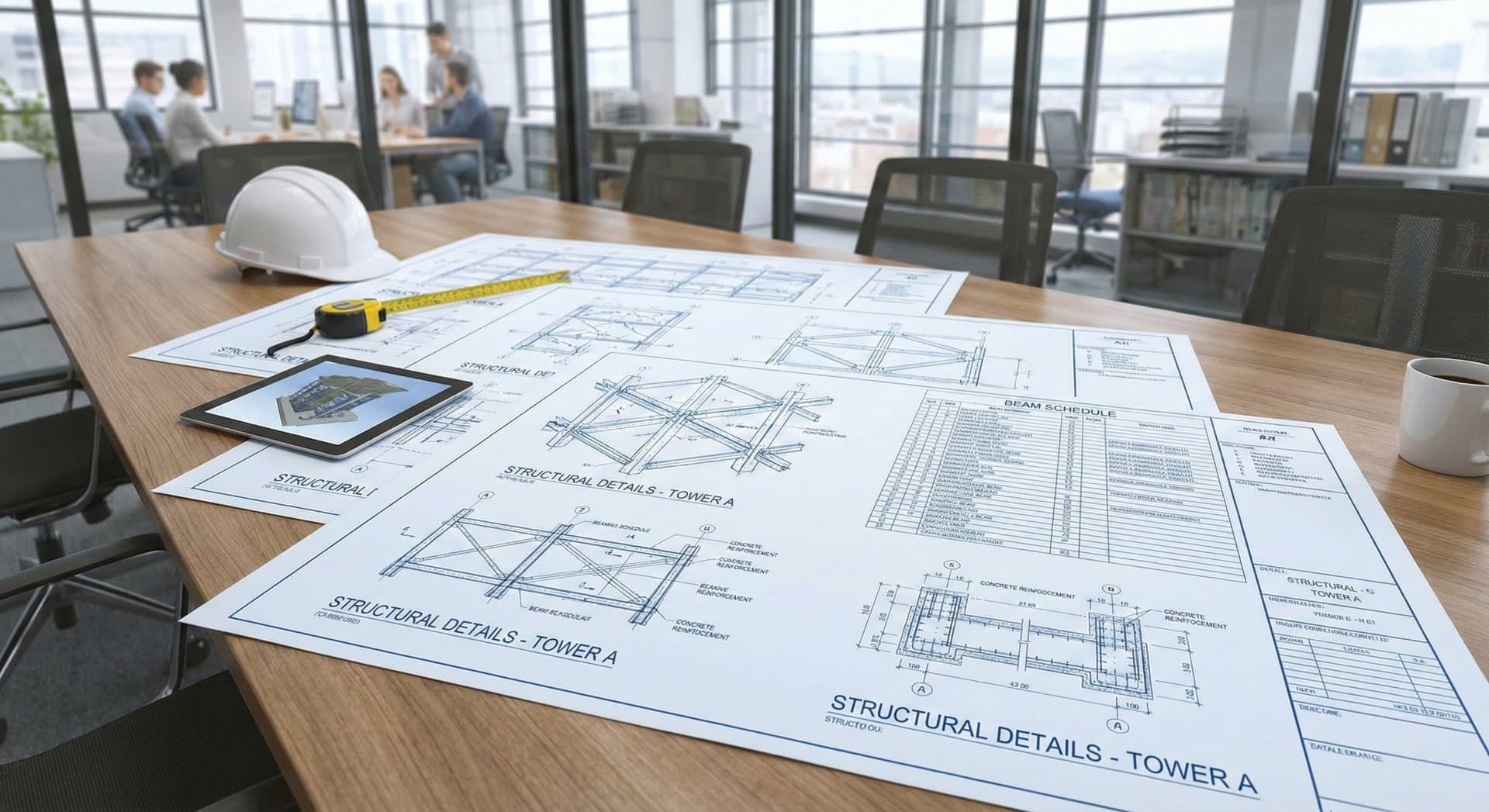
Unlike a standard design plan, which shows new beams and columns, this report assesses the existing building. It confirms whether the current footings, walls, and framing are in good enough condition to support the proposed alterations without collapsing or cracking.
Why do you need it for a DA/CC or CDC?
Structural adequacy is primarily a safety and risk-management issue, particularly for renovations and additions.
Second-storey additions are the most common trigger for this requirement. Adding a new level dramatically increases the load on the existing structure, as the weight of new walls, floors, roof, and furniture is transferred down to footings that may have been designed decades ago to much lower standards.
Structural certification is also required when internal walls are removed to create open-plan spaces. Even walls that appear non-structural often play a role in stabilising the building, and their removal must be assessed to ensure the remaining structure remains safe.
From Council and certifier perspectives, the certificate provides confidence that construction will not stall midway through the project due to unforeseen structural failure. It reduces the risk of partially completed builds caused by discovering serious defects after demolition has already begun.
What information is included in the report?
To prepare the report, the Structural Engineer carries out a site inspection of the existing building. They assess visible signs of distress such as cracking, dampness, or subsidence, and review how the structure has performed over time.
The report includes calculations that test whether the existing materials and construction methods meet current Australian Standards, which are often significantly more stringent than those in place when older homes were built. Where deficiencies are identified, the engineer will outline required rectification works, such as underpinning footings, strengthening walls, or replacing degraded timber elements.
The certificate concludes with a formal statement confirming whether the building is structurally adequate to support the proposed design, subject to any specified works being completed.
When is it required?
The certificate is required after the design has been developed but before construction approval is issued.
For Complying Development, it must be provided before the CDC can be granted. For Development Applications, it is usually submitted after DA approval as part of the Construction Certificate documentation. In both cases, it must be completed before work can legally commence.
While not always mandatory at the concept stage, it is strongly recommended that this assessment is undertaken early in the design process. Discovering that existing footings are inadequate—such as older brick-on-soil foundations common in Sydney terraces—after signing a building contract can result in major cost escalations.
Common Pitfalls and Professional Advice
One of the most significant risks revealed by a Structural Adequacy Certificate is the need for underpinning. Shallow or deteriorated footings often cannot support new loads and must be strengthened by constructing concrete supports beneath existing walls.
Underpinning is labour-intensive, slow, and expensive. When identified late, it often appears as an unexpected builder’s variation that can severely impact the budget.
At OAK Architecture and Design, we recommend addressing structural adequacy early so these costs can be factored into the overall project budget. This allows informed decisions to be made about scope, design adjustments, or alternative structural solutions before construction pricing is locked in.
How to obtain a Structural Adequacy Certificate
A qualified Structural Engineer must prepare the certificate. We coordinate this process on your behalf by arranging site inspections and providing the engineer with accurate survey information and our proposed architectural drawings.
By clearly showing where new loads will be introduced, we allow the engineer to assess risks accurately and propose targeted solutions. Where weaknesses are identified, we work collaboratively to integrate strengthening measures—such as steel posts or beams—into the architectural design so they are functional, compliant, and visually discreet.
Renovate with confidence, not guesswork.
Extending or altering an existing home requires a careful balance between old structures and new design. With the right technical advice at the right time, structural risks can be managed without derailing your project. If you need a team that manages the technical risks of your renovation, OAK Architecture and Design is here to help