Document - Section 73 – Confirming Sydney Water infrastructure requirements are satisfied
If you are planning a Dual Occupancy (Duplex) or a Subdivision in Sydney, you are not just building a house—you are creating a new load on the city's infrastructure.
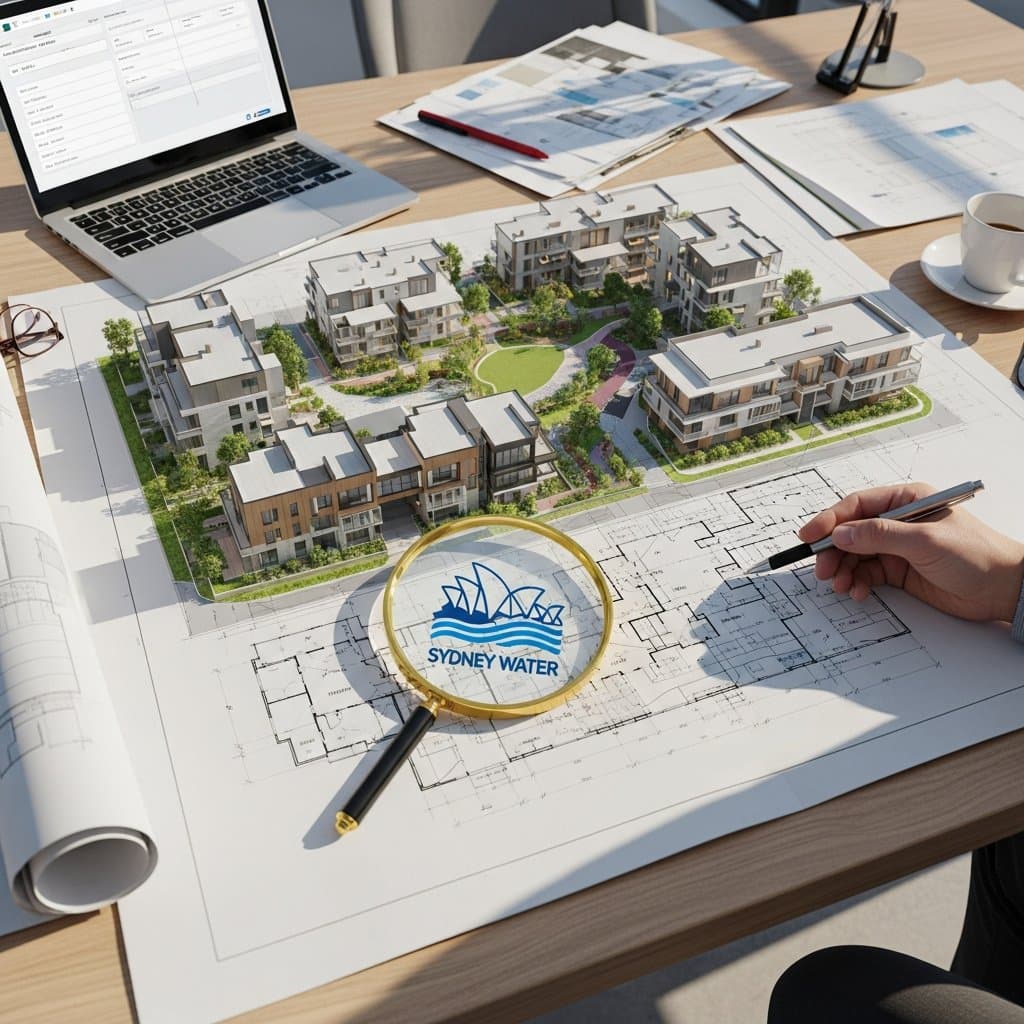
Section 73 commonly refers to a Section 73 Compliance Certificate issued by Sydney Water under Section 73 of the Sydney Water Act 1994.
In simple terms, this certificate confirms that a development site can be adequately serviced by Sydney Water’s infrastructure, including water supply, sewerage, and sometimes stormwater, and that any required works have been identified or completed.
In NSW planning and construction projects, Section 73 is a standard requirement and is frequently mentioned in Development Consent conditions, Construction Certificate (CC) applications, and Subdivision approvals.
What is a Section 73 Certificate?
A Section 73 Compliance Certificate is a formal document issued by your water authority (usually Sydney Water in Sydney, or Hunter Water/local council elsewhere).
It confirms that your development has:
Adequate access to water, sewer, and stormwater infrastructure.
Paid the necessary contributions to the network (Developer Charges).
Completed any necessary upgrades (e.g., extending a sewer main to reach your new lot).
"Tap In" vs. "Section 73": What’s the difference?
This is the most common confusion we see.
Building Plan Approval (Sydney Water Tap In): This checks if your building is sitting on top of a pipe. Every renovation needs this. It protects the pipe from you.
Section 73 Certificate: This checks if the street mains can handle the extra load of your new house/lot. It ensures the network is strong enough for the new toilets and taps you are adding.
When is it required?
A Section 73 is generally required whenever you increase the load on the system. Common triggers include:
Subdivisions: Splitting one lot into two (Torrens Title or Strata).
Dual Occupancies: Building a duplex.
Granny Flats: Sometimes required if the Granny Flat is separately rented or creates a major load, though often exempt for standard backyard builds.
Commercial/Industrial: New factories or shops.
The Golden Rule: You cannot get your Subdivision Certificate (the document that creates the new land title) without the Section 73 Certificate.
The Process: The "Notice of Requirements"
Obtaining this certificate is not instant. It is a multi-step engineering process:
Application: We apply to Sydney Water (often via a Water Servicing Coordinator).
Notice of Requirements (NOR): Sydney Water assesses the plan and issues a "NOR." This letter tells you what you must do to get the certificate.
Construction: You hire a listed provider to build the required pipes.
Issue: Once the work is done and checked, Sydney Water issues the Section 73 Certificate.
Common Pitfalls & Architect’s Tips
The biggest trap is Developer Charges.
Architect’s Tip: Budget for the "contribution." Even if you don't have to build any physical pipes, Sydney Water often charges a "Developer Contribution" fee for major subdivisions. This can be thousands of dollars per new lot. At OAK Architecture and Design, we warn you about this potential cost early in the feasibility stage, so you aren't shocked by a $20,000 bill at the end of the project.
How to obtain a Section 73 Certificate
You usually cannot do this yourself. You must engage a Water Servicing Coordinator (WSC).
How we help: We act as the bridge between you and the WSC.
We send them your DA plans immediately after approval.
They interpret the "Notice of Requirements" and explain the costs.
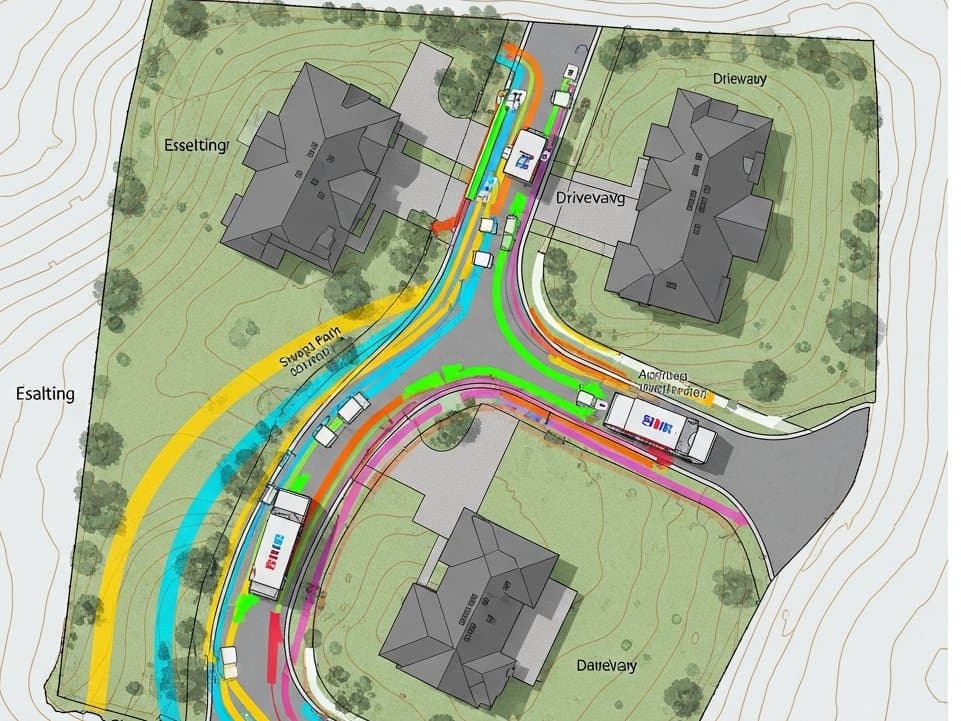
If physical works are needed (like digging up the road for a new sewer connection), we coordinate this with your driveway and landscape works to ensure the site isn't dug up twice.
Don't let the waterworks delay your title.
Getting the physical house built is only half the battle; getting the legal title requires navigating the utility networks. If you need a team that manages the invisible infrastructure as well as the visible architecture, contact OAK Architecture and Design today.