Bathroom - Part 1 - Layouts and Privacy
Bathroom Master Planning: Layouts and Privacy
By OAK Architecture and Design
In a floor plan, the bathroom is often treated as a "leftover" space—squeezed into whatever corner remains after the bedrooms are sized. This approach leads to cramped showers, poor acoustics, and the dreaded "toilet view" from the hallway.
A well-designed bathroom is zoned for privacy and efficiency. Whether it is a Master Ensuite or a busy Family Bathroom, the layout must manage the morning rush hour without collision.
1. The Family Bathroom: The "Three-Way" Solution
The biggest friction point in a family home is the morning schedule. If the toilet, shower, and vanity are all in one room, one person locking the door blocks everyone else.
The architectural solution is the "Three-Way Bathroom" (or Segmented Layout). This divides the functions into three separate zones:
Zone A: The Vanity (Open access for hand washing/teeth brushing).
Zone B: The Toilet (Enclosed in a separate cubicle).
Zone C: The Shower and Bath (Enclosed in a "Wet Zone").
The Result: Three people can use the bathroom simultaneously with total privacy. This layout adds immense value to a family home.
2. The Powder Room (Guest WC)
The "Powder Room" is the public face of your home's amenities. Because it is used by guests, placement is critical.
Sightlines: The door to the toilet should never open directly off the living room, dining room, or kitchen. No one wants to exit a bathroom directly into a dinner party.
The Fix: Create a transition zone. Tuck the door around a corner, or place the vanity in a small vestibule so the view from the hallway is of a beautiful mirror, not a toilet bowl.
Acoustics: Walls shared with living spaces should be soundproofed (acoustic insulation). Avoid mounting the toilet cistern on a wall shared with the dining room.
3. The Master Ensuite
The Ensuite is a private sanctuary, but it requires careful connection to the bedroom.
The "Hotel" Open Plan: While trendy, an open-plan ensuite (where the basin is in the bedroom) has practical downsides. Light and noise from the bathroom will wake a sleeping partner.
The Toilet Location: The toilet should be the least visible item. It should be tucked behind the door or a pony wall (half-wall), or ideally, enclosed in a separate WC room within the ensuite for maximum hygiene and privacy.
4. Layout Essentials
Regardless of the room type, these rules apply:
The 700mm Rule: A toilet requires a minimum width of 700mm–800mm to be comfortable. Anything less feels like an airplane lavatory.
Door Swings: The door should swing in against a blank wall, not against the vanity. If space is tight, a cavity sliding door is the superior choice as it disappears into the wall, freeing up floor space for a towel rail or larger shower.
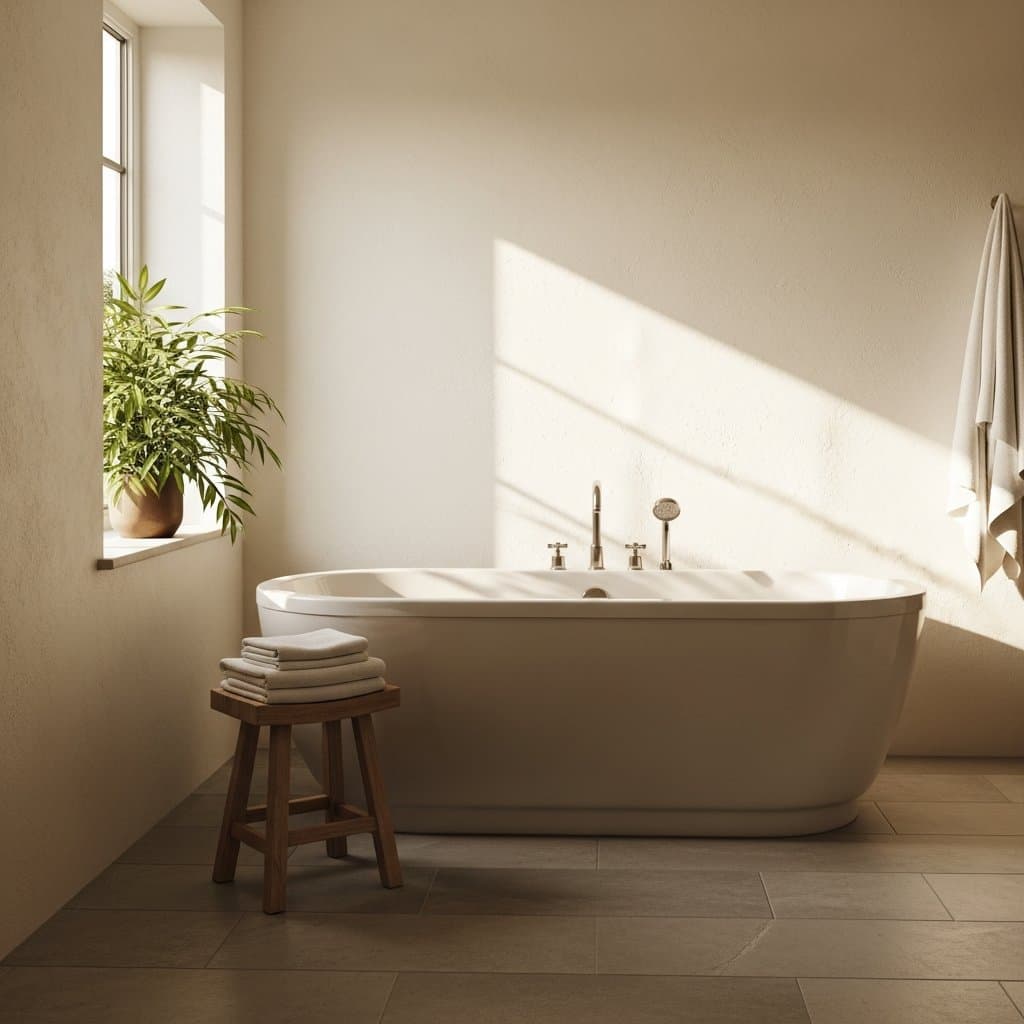
Window Placement: Natural light is vital, but so is privacy. High-level windows (clerestory) or skylights are excellent for bathrooms—they vent steam and let in light without exposing you to the neighbors.
Summary
Great bathrooms are zoned. By separating the wet areas from the grooming areas and carefully managing sightlines, you create a space that handles the morning rush with ease and offers privacy when it matters most.